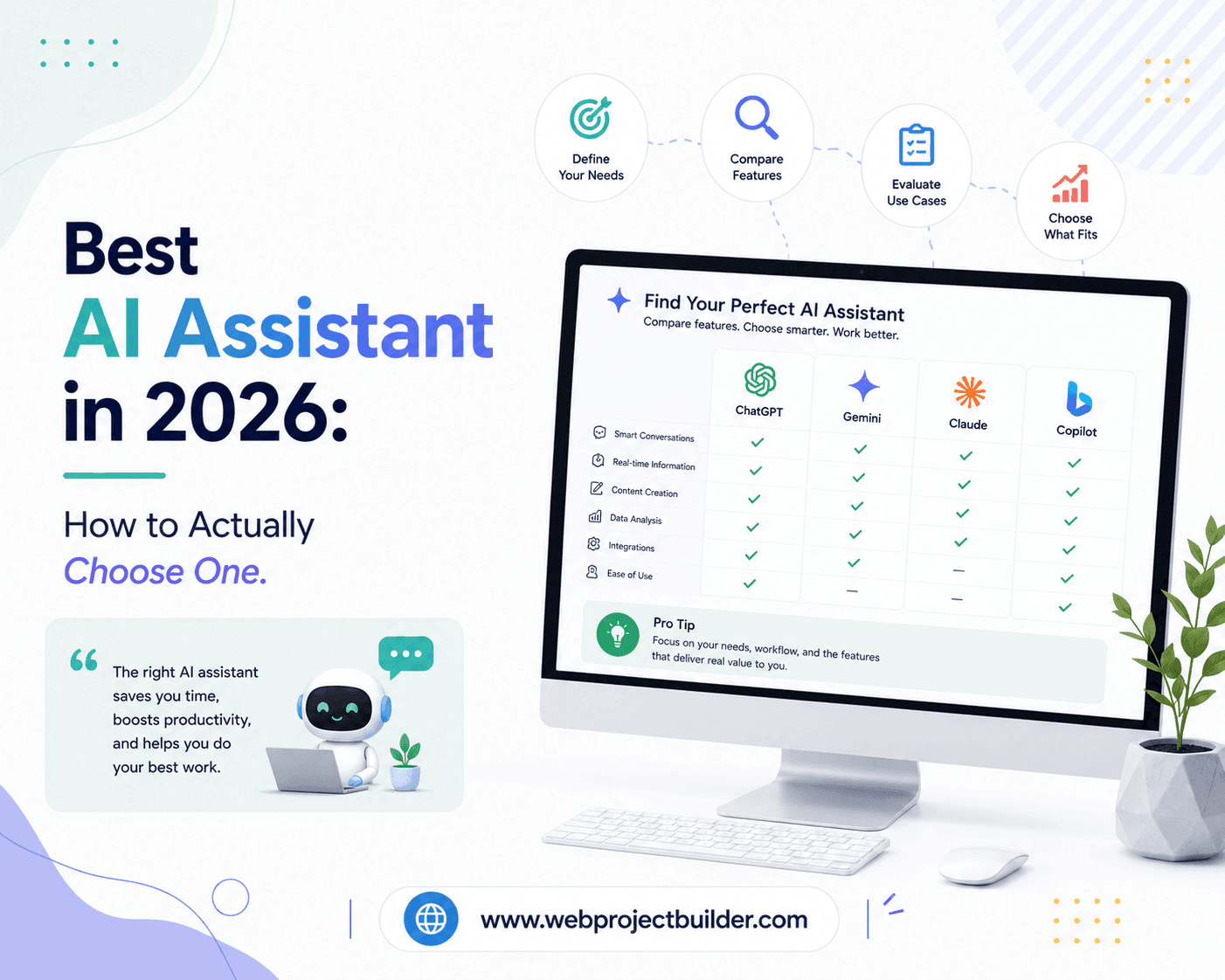
Best AI Assistant in 2026: How to Actually Choose One
The phrase “best AI assistant” means something different in 2026 than it did even a year ago. The market has quietly split into three tiers, and knowing which one you need saves both money and frustration.
The first tier is the classic chatbot. You ask, it answers, and the work still lands back on your desk. These tools are excellent for drafting, brainstorming, and thinking out loud -but the task doesn’t move forward on its own once the conversation ends.
The second tier is the personal assistant that takes action. It reads your inbox, checks your calendar, and books the meeting -but only while you’re logged in and watching. Close the tab and it stops.
The third tier is where the real shift happened: the shared, always-on execution layer. Instead of one person prompting one chat window, an entire team deploys agents that run on schedules and triggers, stay grounded in a shared company context, and pause for human approval before touching anything sensitive.
So which is the best AI assistant for you? Choose tier one when your main need is writing, reasoning, or research. Choose tier two when you want light automation for yourself alone. But if the bottleneck is execution across a team -qualifying leads, reconciling invoices, triaging support tickets -a single-player chatbot will always leave the heaviest work undone.
That gap is why teams are moving toward governed AI workspaces where automation runs continuously, stays permissioned, and remains accountable. The best AI assistant is no longer the smartest chat window; it’s the one that reliably closes the loop without someone babysitting it.
Before committing, match the tool to the shape of your work, confirm current pricing, and test it on a real task rather than a polished demo.
For a full, tested breakdown of the eight best AI assistants in 2026 -where each one wins, where it falls short, and how team execution compares -read the complete guide: The 8 Best AI Assistants in 2026.